Blog
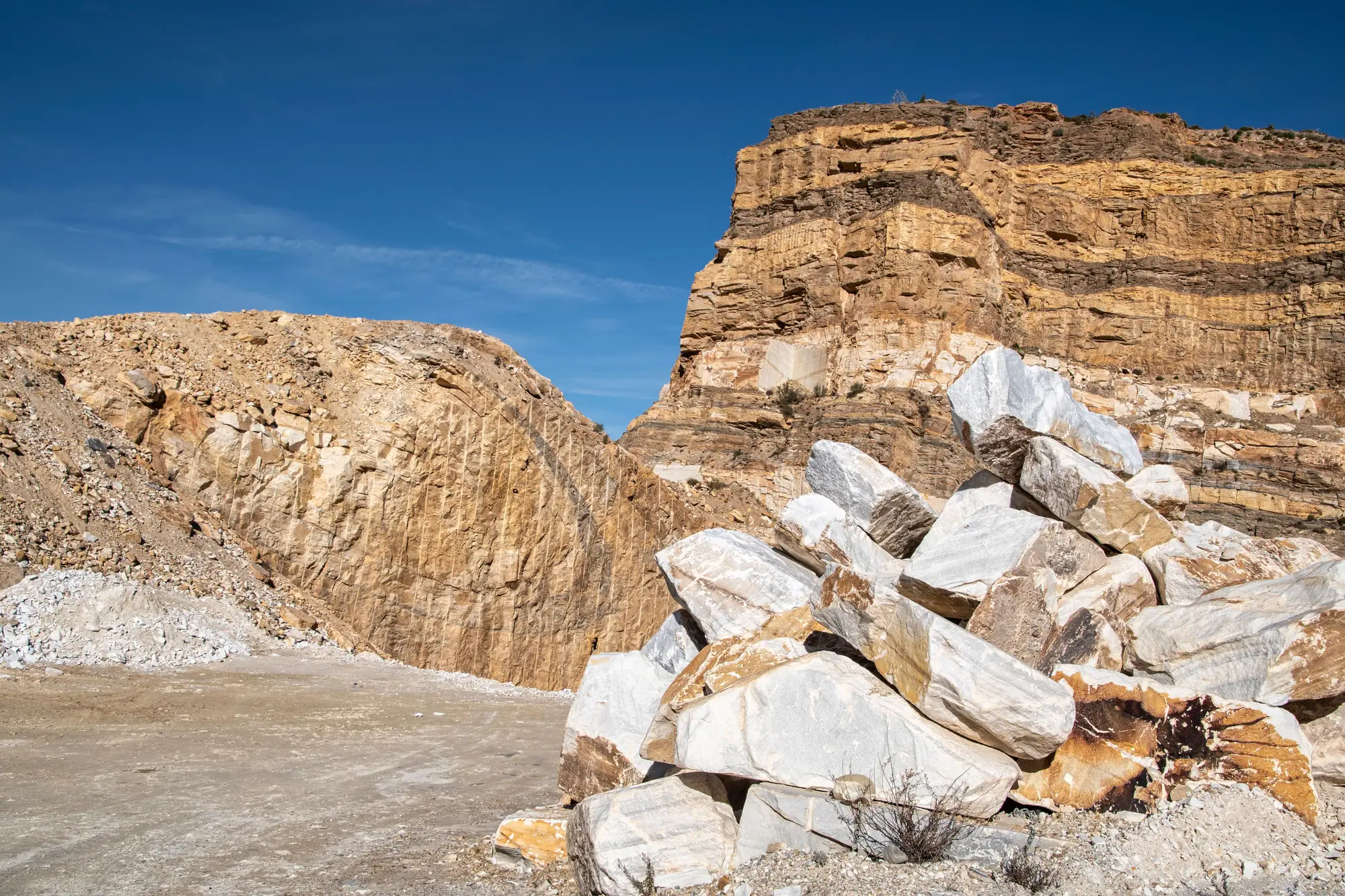 Field notes: the pit where the loader fleet turned over first
A quarterly pass comparison at one limestone pit shows loader replacement running ahead of any change in extraction. What that gap usually means.
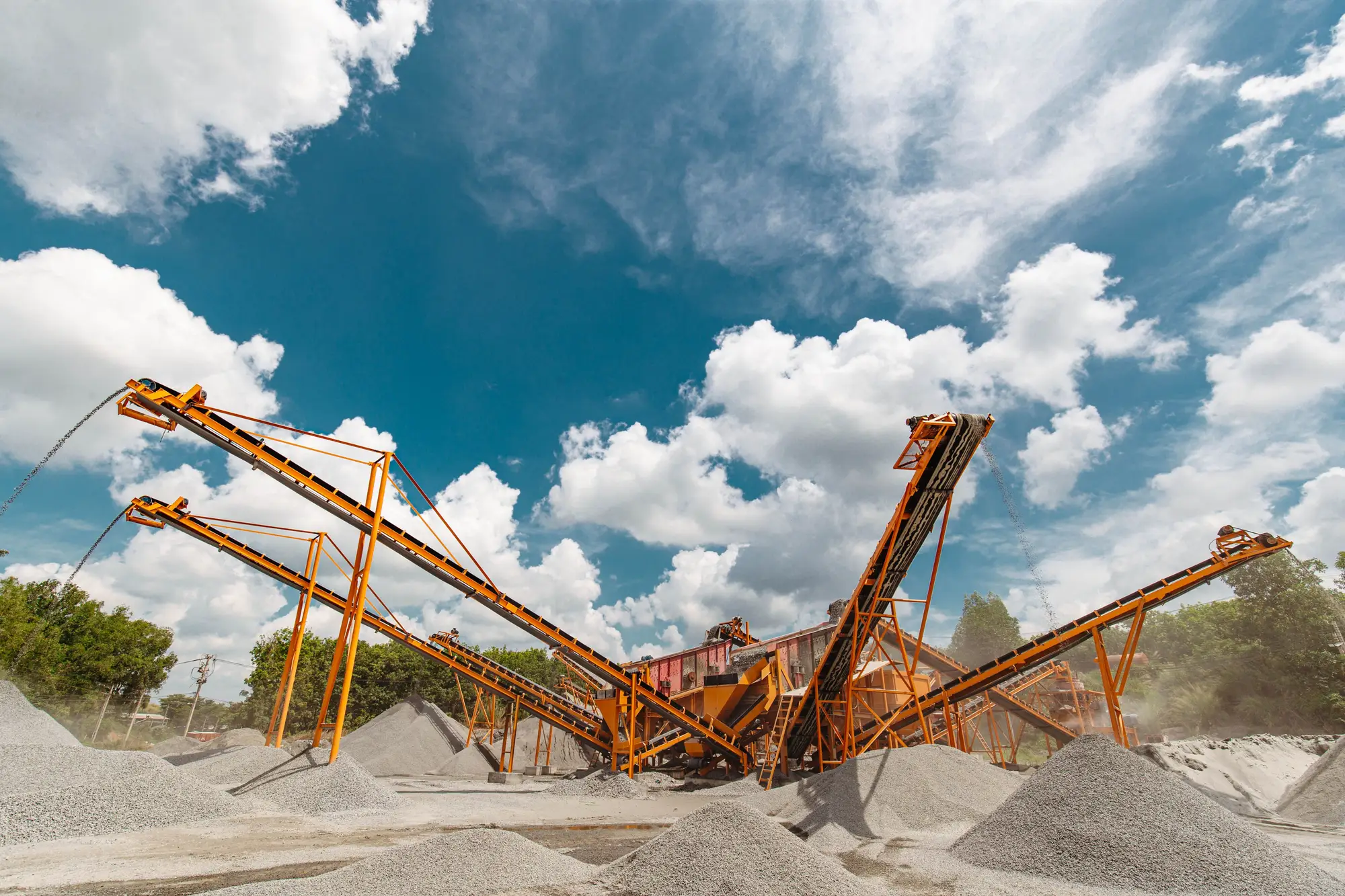 How to size regional loader replacement demand without a dealer survey
Dealer surveys miss independents and lag the market. Here's how to build a regional loader replacement signal from fleet counts instead.
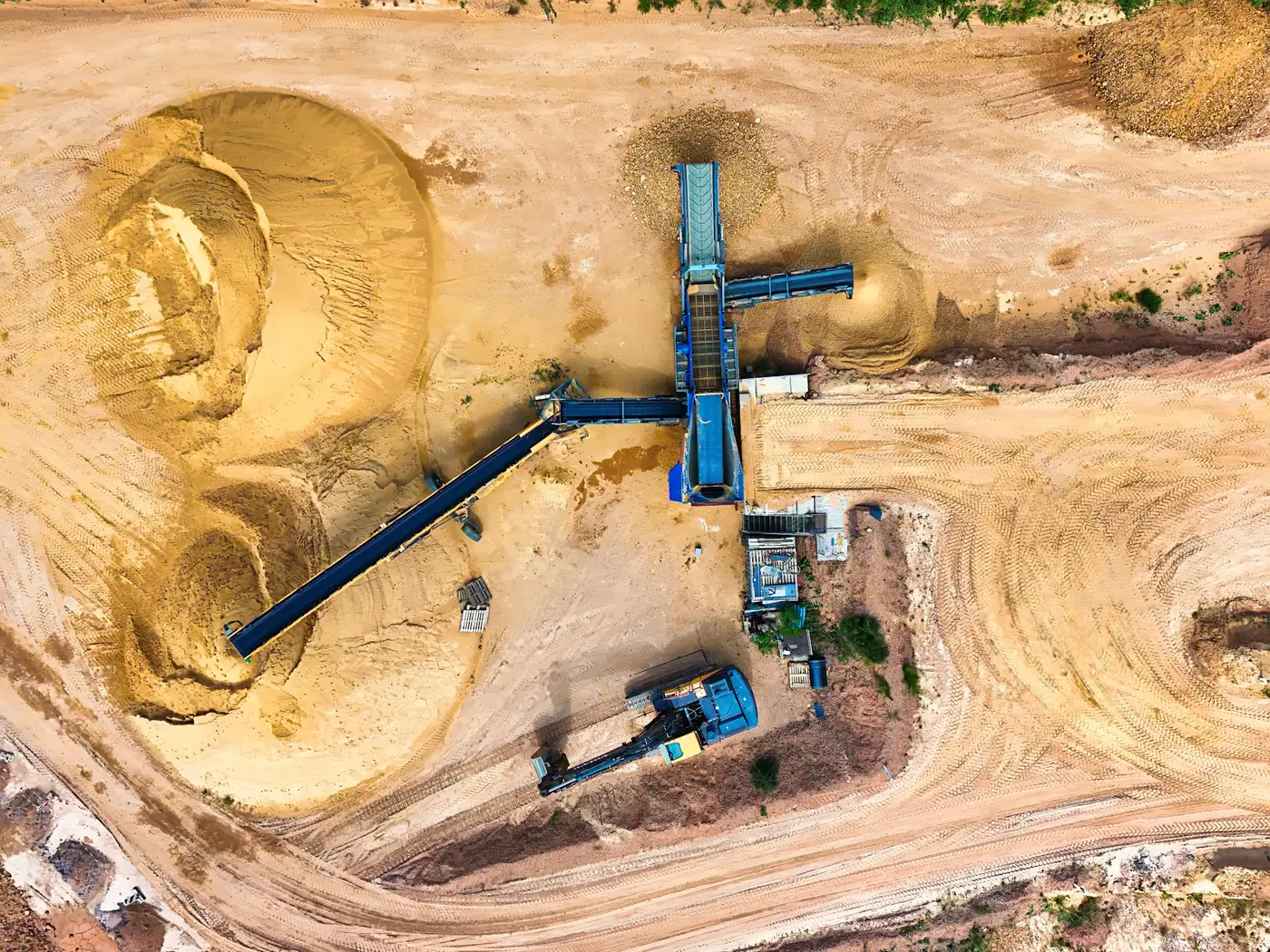 Banana screen vs horizontal vibrating screen: telling them apart from overhead
How to read screen-deck shadow lines and support steel in aerial imagery to tell a banana screen from a horizontal vibrating screen.
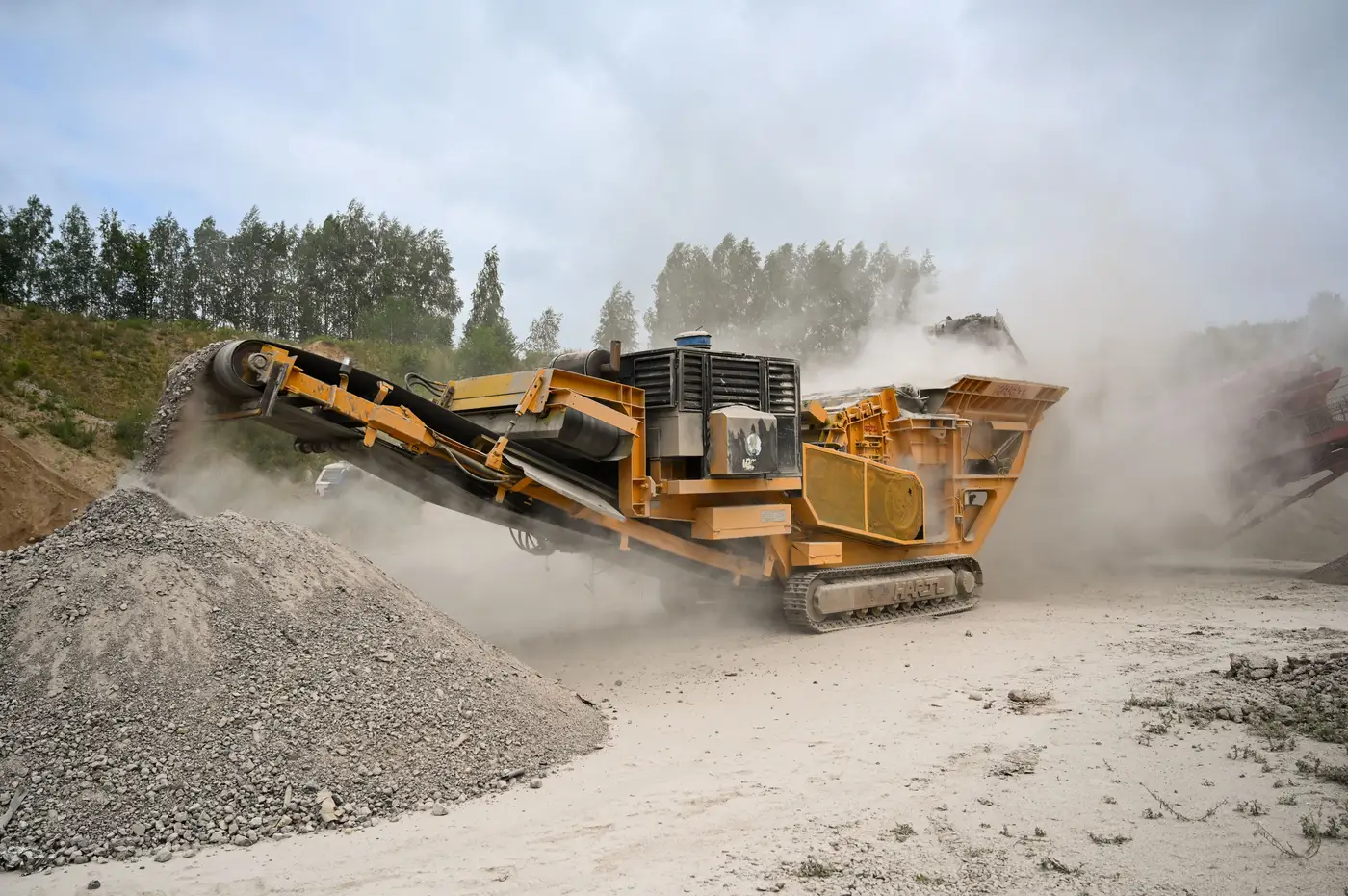 How many years between crusher installations at a typical quarry?
Crusher service life swings from 12 to 30+ years depending on material, duty cycle and upkeep. Here's what drives the replacement interval.
- Field notes: the pit where the loaders turned over twice before the crusher ever did
A field note on a pit where the loader fleet turned over twice while the crusher never moved, and what that split says about replacement demand.
 How often do you need to fly a quarry to catch a fleet swap before dealer data does?
Dealer sell-through and warranty data lag behind what's sitting at the pit. Here's the imagery cadence that gets ahead of it.
- Apron feeder vs. vibrating grizzly feeder: telling them apart from overhead
How to tell an apron feeder from a vibrating grizzly feeder in aerial and satellite imagery, by footprint, feed path, and primary crusher layout.
- What is a tertiary crusher, and why does it show up last in a quarry upgrade?
A plain-language look at tertiary crushers, where they sit in the circuit, and why replacement spend on them lags primary and secondary gear.
- Field notes: the pit where the crusher never changed but the screens did twice
A field note on a pit where the crusher sat untouched for six quarters while the screening plant turned over twice, and what that split says about demand.
- Double-deck vs. triple-deck screens: reading deck count from overhead imagery
A practical look at what overhead imagery can and can't tell you about vibrating screen deck count, and why stockpile counting is the real proxy.
- How to tell a new crusher installation from a conveyor realignment
How to tell a new crusher install apart from a conveyor realignment in satellite imagery, and why the difference matters for demand signals.
- What is a secondary screen, and why is it counted separately from the primary crusher?
A plain look at why secondary screening decks get their own line item instead of being folded into the primary crusher count.
- Rebuild vs. replace: what actually pushes a quarry to buy a new crusher
What tips a pit from rebuilding its crusher again to writing a PO for a new one, and why that decision point matters for anyone sizing replacement demand.
- What counts as a crushing stage vs. a separate unit in a quarry count
A practical rule for sorting primary, secondary and tertiary crushers from standalone units when you're counting a quarry's crushing fleet.
- Jaw, cone, or impact: telling crusher types apart in overhead imagery
How to read jaw, cone, and impact crusher footprints in aerial and satellite imagery, and why the type you see matters for demand sizing.
- Mobile crusher vs stationary crusher: telling them apart from overhead
How to tell a tracked crusher from a fixed plant in aerial or satellite imagery, using foundation, shadow, and haul pattern as the tells.
- Screen plant vs. crusher plant: what's the difference?
Crusher plants reduce rock size; screen plants sort it by size. Here's how to tell the two apart, including from aerial imagery.
- Wash plant vs crusher plant: how to tell them apart from overhead imagery
How to tell a wash plant from a crusher plant in overhead quarry imagery, from stockpile color to ponds, cyclones, and conveyor layout.