Field notes: the pit where the crusher never changed but the screens did twice
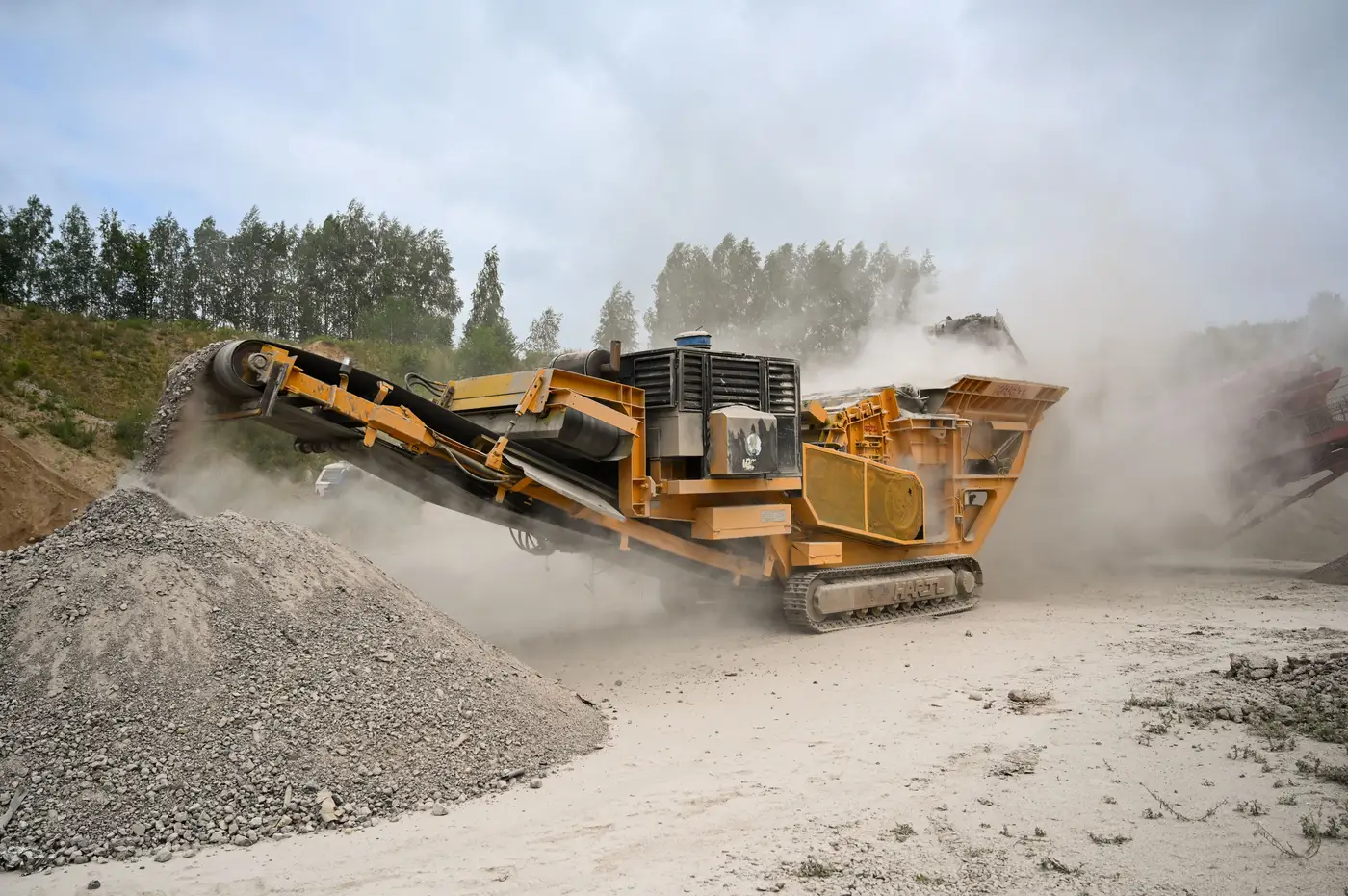
We watched one pit for six straight quarters because it kept doing something that didn't fit the pattern we expected. The primary crusher never moved. Same jaw unit, same footprint, same discharge conveyor angle, pass after pass. If you were scoring this site on crusher turnover alone, you'd file it as flat. No replacement signal. Move on to the next operation on the list.
But the screening plant told a different story. Between the second and third passes, the horizontal screen that had sat downstream of the crusher since our first look was gone, replaced by a unit with a visibly different deck arrangement. Then, five months later, that one was gone too. Two screen swaps in under a year, bracketing a crusher that hadn't budged since we started watching.
This is the kind of thing a single site visit never catches. You show up once, you see a plant, you draw conclusions about that plant as if it were a photograph of a stable system. It isn't. A quarry's equipment inventory is more like a tide chart: some pieces are the bedrock, others are being pulled in and out with the season or the contract or the spec sheet a customer just handed the plant manager.
Crushers sit at the top of the capex stack. They get financed over a long horizon, they get rebuilt rather than replaced, and a pit operator will run a jaw or a cone well past the point where an OEM analyst watching from outside would guess its service life has quietly doubled through component swaps nobody logged. Screens don't get that treatment. A screen deck wears, a spec changes, a customer wants a tighter gradation on manufactured sand instead of base course, and the plant manager orders a different screen without touching anything upstream. The crusher keeps doing what it's always done. The sizing and sorting layer is where the plant breathes.
What made this pit worth flagging wasn't the screen churn by itself. Screens get swapped often enough across the region that two changes at one site isn't unusual on its own. What made it worth flagging was reading it against the extraction read for the same window. Tonnage at this pit held roughly flat across both screen changes. That's the detail that turns a maintenance footnote into a demand signal worth something to an OEM: this wasn't a pit scaling up production and buying capacity to match. It was a pit holding its draw steady and retooling what it does with the same material, twice, in less than a year.
That distinction matters if you're the one trying to size replacement demand for screens as a product line separate from crushers and feeders. A region full of pits with static crushers and rotating screens is telling you something specific: the capital is moving at the sorting stage, probably tied to shifting product mix across customers rather than overall volume growth. A region where crushers themselves start turning over tells you something else entirely, usually tied to permit expansions or a wave of plants hitting end of rebuildable life around the same time. Lumping all of that into one "equipment changed" bucket erases the part that explains why.
None of this shows up from a windshield tour or a single flyover. It shows up from stacking dated passes of the same pit side by side and watching which pieces of the plant move and which ones don't, quarter over quarter, against what the pit was actually pulling out of the ground. A crusher sitting still for six quarters is information in its own right. It's half the sentence; the screens are the other half, usually the half with the story in it.
If you're trying to tell those two halves apart across a whole region's worth of pits instead of one, that's the exact gap Quarry Equipment Census is built to close.