How to size regional loader replacement demand without a dealer survey
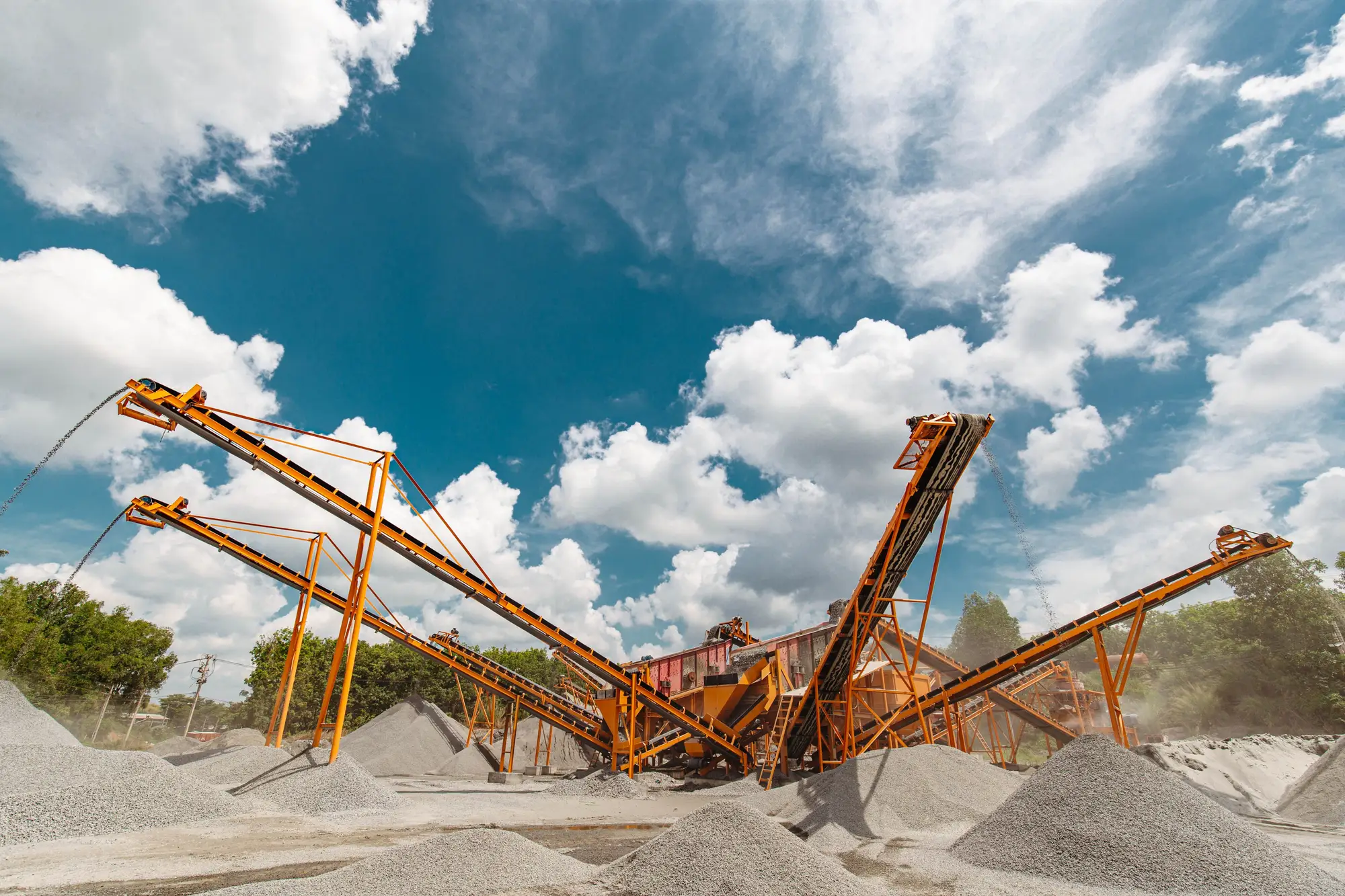
A dealer survey tells you what the dealer network is willing to tell you. That's a narrower thing than it sounds. The dealers who respond fastest tend to be the ones already moving product, the pits that buy through independent brokers or lease fleets rarely show up at all, and by the time the summary lands on your desk the quarter it describes is already closed. If you're trying to size a regional replacement window for wheel loaders, that's a slow, partial signal dressed up as a market read.
There's a more direct way to get there: count the loaders.
Why dealer surveys undercount the fleet
A survey only sees what dealers sell and service through their own channel. It misses machines bought secondhand, machines transferred between a parent company's sites, and anything running at a pit that doesn't carry a service contract with a reporting dealer. In most regions that's not a rounding error. Independent and family-run quarries make up a real share of the aggregate base, and they're exactly the operators least likely to show up in a dealer's CRM export.
Timing is the second problem. A survey is a snapshot of opinion, gathered on whatever cycle the dealer network runs, then aggregated and cleaned before anyone outside the channel sees it. By the time it reaches a market intelligence desk, the fleet it describes has already turned over a little more.
Build the signal from the fleet itself
A loader count doesn't ask anyone what they're planning to buy. It inventories what's standing at each pit right now, on a repeatable cadence, and tracks that same list forward. Run the count quarterly across a region's pits and you get a fleet age read that isn't self-reported: machines that haven't moved position in several passes, machines that have disappeared from the yard, machines that show up new where nothing stood before. That turnover pattern is the replacement signal, a direct measurement of what changed on the ground rather than a model's guess at a depreciation curve.
The part a dealer survey can't give you at all is context. A quarry running three loaders flat out against a growing stockpile face is a different buyer than one running three loaders next to a stockpile that hasn't moved in two quarters. Count the machines without reading the extraction activity around them and you're back to a bare inventory. Pair the two and a flat loader count at a pit that's clearly scaling up output starts to look like deferred capex rather than steady state, which is a very different note to put in a regional demand brief.
Reading fleet age against a replacement window
Once you have two or more dated passes of the same pit, the comparison does the work a survey can't. A loader that's held the same position across four quarterly passes while the pit's extraction footprint keeps expanding is a candidate for the replacement window, whether or not its owner has said a word to a dealer. A pit where the loader count jumped and the crusher and screen inventory moved with it is signaling fleet expansion, not replacement. Neither of those reads requires anyone to answer a phone call.
This is the part that actually matters to a regional sizing exercise: the question isn't "how many loaders are out there," it's "how many of them are due." Age-against-activity is the closest thing to an answer that doesn't depend on a channel partner's willingness to share.
None of this replaces the judgment call at the end. An analyst still has to decide what counts as idle, what counts as a genuine fleet-age replacement candidate versus a site that's winding down, and how to weight a pit that's gone quiet for one quarter against one that's been flat for a year. What changes is the input. Instead of a dealer's secondhand impression of the market, the analyst is working from a standing list of what's parked at every pit in the region, updated on a pass that doesn't wait for anyone to pick up the phone.
Quarry Equipment Census runs that quarterly pass across a region's pits and ties the count to extraction activity, so sizing a loader replacement window starts from what's standing in the yard rather than what the dealer network remembers to report. If a windshield tour of the region's pits is still how this gets done at your shop, it's worth seeing what a standing list looks like instead.