Field notes: the pit where the loader fleet turned over first
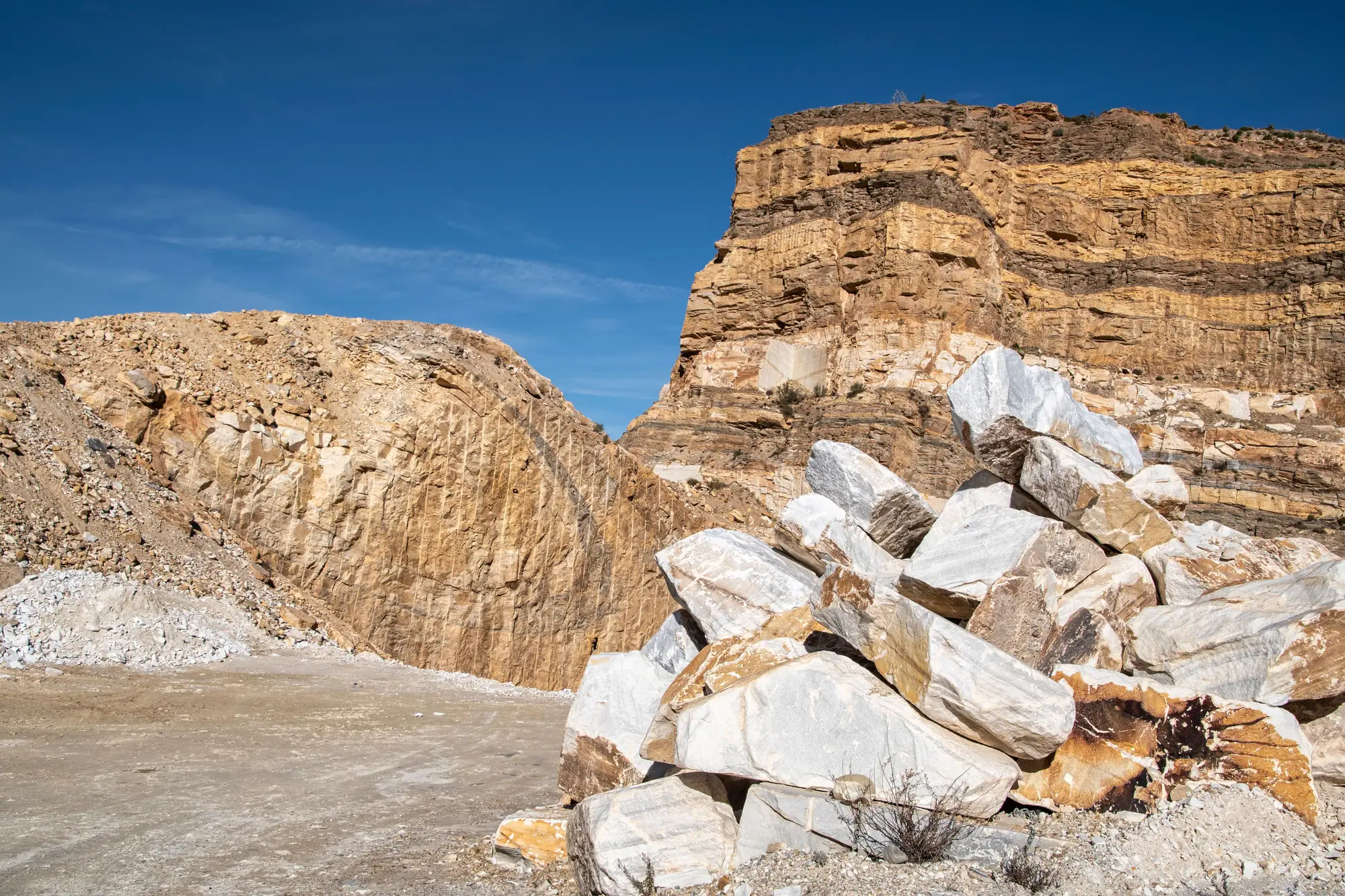
We flag a lot of sites for the wrong reason. A new stockpile, a haul road rerouted around a flooded cell, a crusher moved twenty meters closer to the face. Most of it is operational noise, the kind of thing a pit runs through every quarter without anyone at corporate caring much. Then every so often a site comes through the queue that doesn't fit the pattern, and this one didn't.
It's a limestone operation, mid-sized, the kind that ships to ready-mix plants and a couple of DOT contracts within trucking range. Nothing about the bench face had changed between two quarterly passes eight months apart. Same working face, same approximate strip ratio by eye, same stockpile footprint give or take a few thousand tons. If you were sizing the site on extraction alone, you'd call it flat.
The equipment count told a different story. In the first pass, the yard held three wheel loaders that read as older-generation units, the kind with the shorter wheelbase and the bucket profile you associate with a fleet that's been depreciated twice over. By the second pass, two of the three were gone and a larger, visibly newer loader sat where the old pair used to stage. One articulated hauler had also turned over. The crusher and screen plant hadn't moved and hadn't changed.
That's the part worth sitting with. A pit doesn't usually replace its loader fleet because the loaders got tired on their own schedule. It replaces them because something downstream is about to ask more of them, or because a financing window opened and the operator decided not to wait for the equipment to fail first. Either way, the loader turnover showed up on the ground before the extraction numbers gave any reason to expect it. The fleet moved first. The pit followed, or will.
A single pass of imagery shows what's parked on a given day. A loader that's sat in that spot for three years looks exactly like one that arrived last month, same machine, same patch of yard, no way to tell from one photo. The second date is what separates them: line the two passes up and the age falls out of the comparison. That's why quarterly beats an annual check here. The finding lives in the gap between the two dates, not in either snapshot on its own.
We've seen the reverse version of this too, equipment aging in place while extraction ramps, which usually reads as an operator running a fleet past its comfortable service life and due for a wave of replacement that hasn't hit yet. Both patterns are early. Both show up in the equipment count a quarter or two before they'd show up in anyone's production report or capex disclosure, if the site even files one.
None of this makes the limestone pit a confirmed deal. It makes it a site worth a second look, and a third pass in three months to see whether the crusher follows the loaders or whether this was just one fleet refresh on its own clock. Watching a region's pits this way beats watching one quarry you happened to drive past. A standing list that gets checked every quarter is how you catch the turnover while it's still happening instead of reading about it after the OEM's competitor already closed the order. If you're building that list for your own territory, Quarry Equipment Census runs the same side-by-side read across the pits you're already tracking.
Count what's sitting in the yard before you take the production numbers at face value.